Wide cognitive-surveillance network with machine eye, red inference paths, and watched human figures.
A query is not a confession. Observation must not become pre-conduct person judgment.

Compliance pathology

Compliance Overcapture and Private Censors

Where liability is asymmetric, institutions overremove, overreport, overretain, and underspecify the rule.

No thought jurisdiction Thought is not conduct Source remains source Appeal, export, exit

Why overcapture is rational

A platform that fails to report a legally defined abuse case may face penalties, public scandal, or prosecution. A platform that overreports an innocent user often faces little immediate cost. That asymmetry drives overcapture.

The same dynamic appears in schools, workplaces, payment processors, cloud hosts, search engines, model providers, and social platforms. They do not need to hate speech. They only need to fear being blamed for insufficient vigilance.

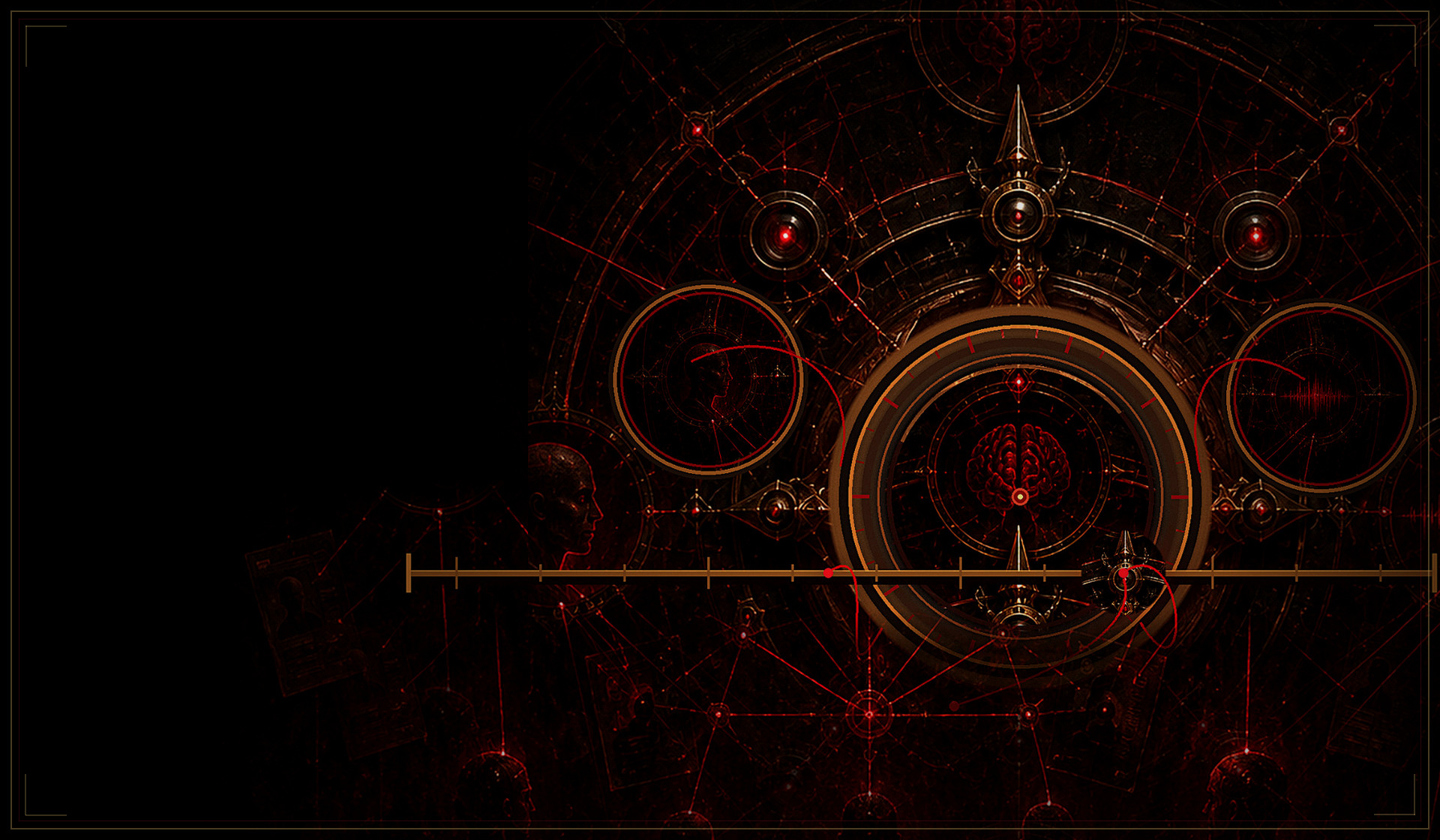
Wide machine-surveillance network with human figures and red inference paths.
The danger is the merger of observation, inference, scoring, and consequence.

Private censor stack

LayerInstitutional incentiveCivil-liberty damage
ClassifierCatch more cases than humans can review.Reduces context to pattern similarity.
Reviewer queueCreate defensible workflow.Turns private inquiry into case management.
Legal escalationMinimize liability.Reports ambiguous material to outside authorities.
Trust scoreRemember risk.Creates hidden consequences across time.
Policy boilerplatePreserve discretion.Makes rules vague enough to punish anything later.
Appeal bottleneckReduce operational cost.Leaves users unable to correct source identity or context.
Civic network of minds, signals, review points, and a visible boundary line.
Community rules attach to conduct, not hidden beliefs or person scores.

The private-state fusion problem

When the state mandates or strongly pressures private platforms to detect and report topic categories, private infrastructure becomes an arm of public power without the same transparency, warrant discipline, open records, adversarial process, or constitutional culture.

This creates a soft-state problem. The user is not governed by a statute they can read and challenge; they are governed by a classifier, a trust-and-safety escalation policy, a content integrity standard, a vendor risk model, and an account action notice too vague to rebut.

Anti-overcapture rules

Narrow triggers

Tie reporting to concrete, defined facts or valid legal process, not broad topics or vibes.

Context floor

Require human-context review before high-impact reporting or retention where law allows.

Source preservation

Keep original prompts and records unchanged; record decisions externally.

Appeal and correction

Allow users to challenge false inferences and export preserved records.

Deletion defaults

Do not retain thought-adjacent logs longer than needed for the user-requested service unless legally required.

Public rulebook

Publish general categories without exposing operational abuse heuristics.

The archive studies symbols. It does not appoint targets. Review the Community Baseline and Editorial Policy before submitting dangerous or symbolic material.

Community Baseline / Editorial Policy