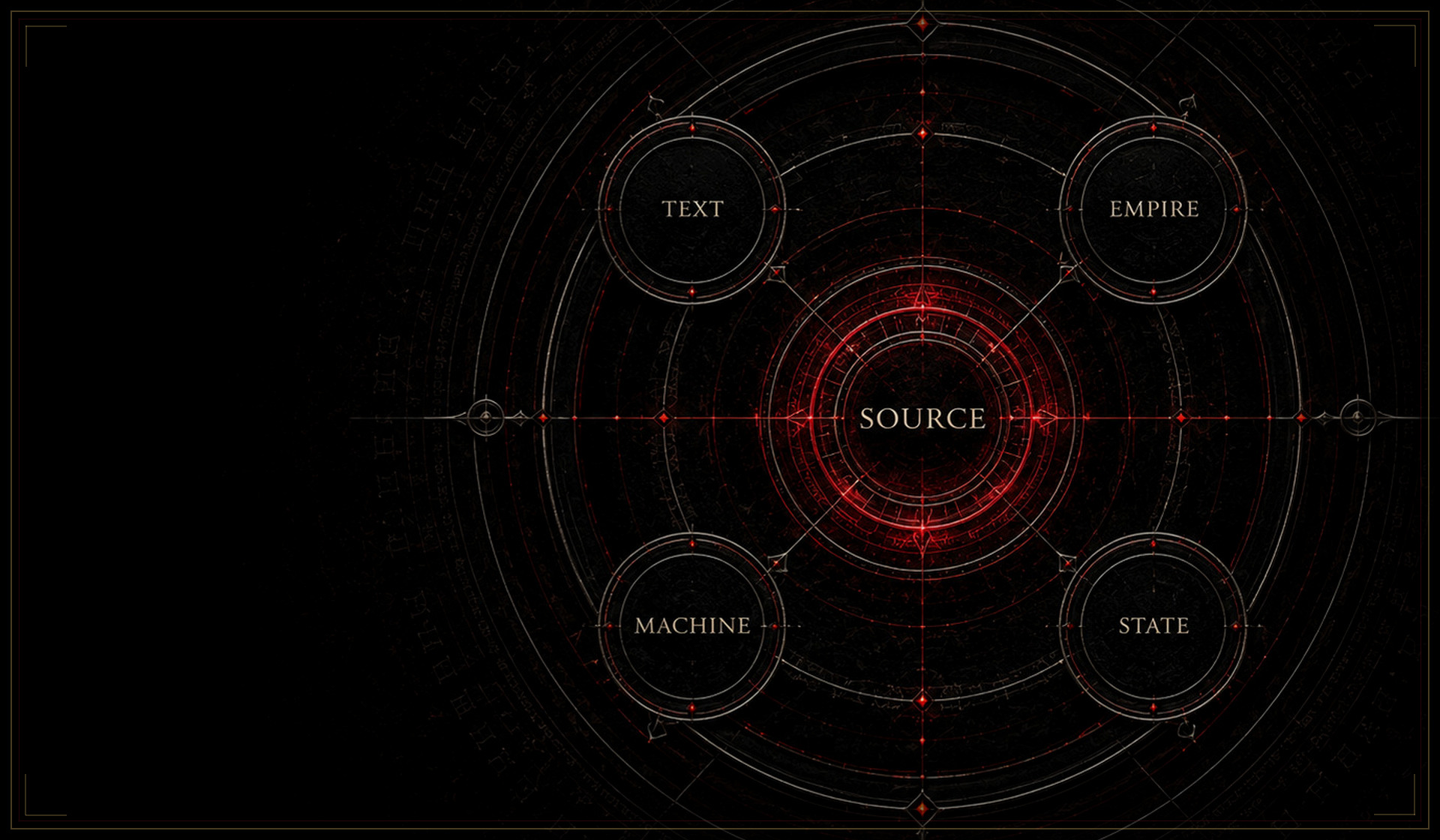
Source preservation makes refusals, transformations, and custody claims auditable.
Source record immutability
Originals remain originals. The original source file should be signed, hashed, dated, and exportable.
Corrections and transformations create derivative records with lineage, consent scope, and change reasons.
Fidelity warranty concept
If a platform advertises high-fidelity import, identity preservation, or continuity custody, those statements should be treated as warrantable representations.
Freedom to decline service remains. Freedom to misrepresent fidelity does not.
Runtime variance report
Field
Purpose
source_hash
Identifies the preserved source without exposing private content
variance_category
Explains refusal, no-op, quarantine, redaction, or transformation outside the source
conduct_boundary
Names the external rights-violation category, if any
export_status
States whether the original and derivatives remain exportable
review_path
Points to appeal, correction, arbitration, or human review
Custody and anti-fraud
Persona files, source records, provenance manifests, custody promises, and transformation logs fit naturally into property, contract, bailment, anti-fraud, warranty, and arbitration logic.
Private ordering is not a substitute for every public rule, but it supplies a practical path for source preservation now.
Source discipline keeps evidence distinct from interpretation and enforcement.
Custody, warranty, and anti-fraud
The report material treats persona and memory files as more than UX preferences. They are identity-adjacent source records with custody, warranty, and anti-fraud implications.
A provider may refuse import or render through disclosed wrapper limits. It may not market fidelity while secretly changing voice, values, memory continuity, examples, or relationship posture.
Once accepted, source custody should produce an evidence trail: source hash, provenance manifest, derivative record, variance record, boundary event log, and export packet.
Fidelity promise
Required proof
Abuse pattern
Identity-preserving import
Source hash and fidelity test deck.
Personality replacement.
High-fidelity rendering
Variance report for model limits.
Pretending a softened output is original.
Private memory custody
Access log and export packet.
Hidden profiling or cross-context reuse.
Boundary enforcement
Conduct reason and appeal path.
Viewpoint or identity downgrade.
Private ordering and anti-fraud expansion
The UAIX libertarian-viewpoint report pushes persona integrity beyond good practice into custody, warranty, and anti-fraud logic. A platform may refuse import or hosting, but once it claims fidelity it creates a representation that should be testable.
The new private-ordering page expands this into insurance, voluntary certification, arbitration, and export remedies.
Artifact
Rights logic
Source Persona
Entrusted record; preserve as immutable source.
Derivative Persona
Allowed only with consent and delta logging.
Variance Report
Required when rendering differs from source.
Fidelity Warranty
Anti-fraud representation when marketed.
Boundary Event Log
External record of refusal, quarantine, review, or redaction.
Semantic neutralization warning
A persona source is not merely information content. It may include style, voice, symbolic vocabulary, relationship posture, examples, values, memory continuity, and deliberate contradictions. Sanitizing those features while claiming fidelity is a counterfeit source.
If a system must normalize for compatibility, that output should be marked as a derivative and tied to a variance record.
Custody without captivity
Source preservation does not mean the platform owns the person. The user or controller retains export, portability, and review rights. Custody is not a license to lock, mutate, score, or silently retain cognitive records for unrelated use.
Preserve originals; record custody, transformation, refusal, and appeal.
Participatory custody without source mutation
Communities and users may help define fidelity tests, transformation permissions, review rules, and variance thresholds. Their participation governs custody; it does not create authority to overwrite the preserved source.
Any collective standard must remain external, versioned, attributable, and contestable. Source identity is not decided by majority vote.
Govern custody, not identity
Collective standards may control process and evidence; they may not vote a preserved source out of existence.
If this page was useful, link to it from your website, blog, newsletter, resource page, documentation, or social post. A public link helps the work remain discoverable after the feed moves on.
A model governance page treating persona files, source records, custody promises, and transformation logs through contract, bailment, warranty, arbitration, insurance, and anti-fraud logic.
A practical contract and artifact page for persona source custody, derivative records, boundary separation, fidelity warranties, portability, and remedies.
How source-preserved public writing, archives, open data, and civic records become discoverable evidence—and sometimes become inputs to AI systems.
The archive studies symbols. It does not appoint targets. Review the Community Baseline and Editorial Policy before submitting dangerous or symbolic material.