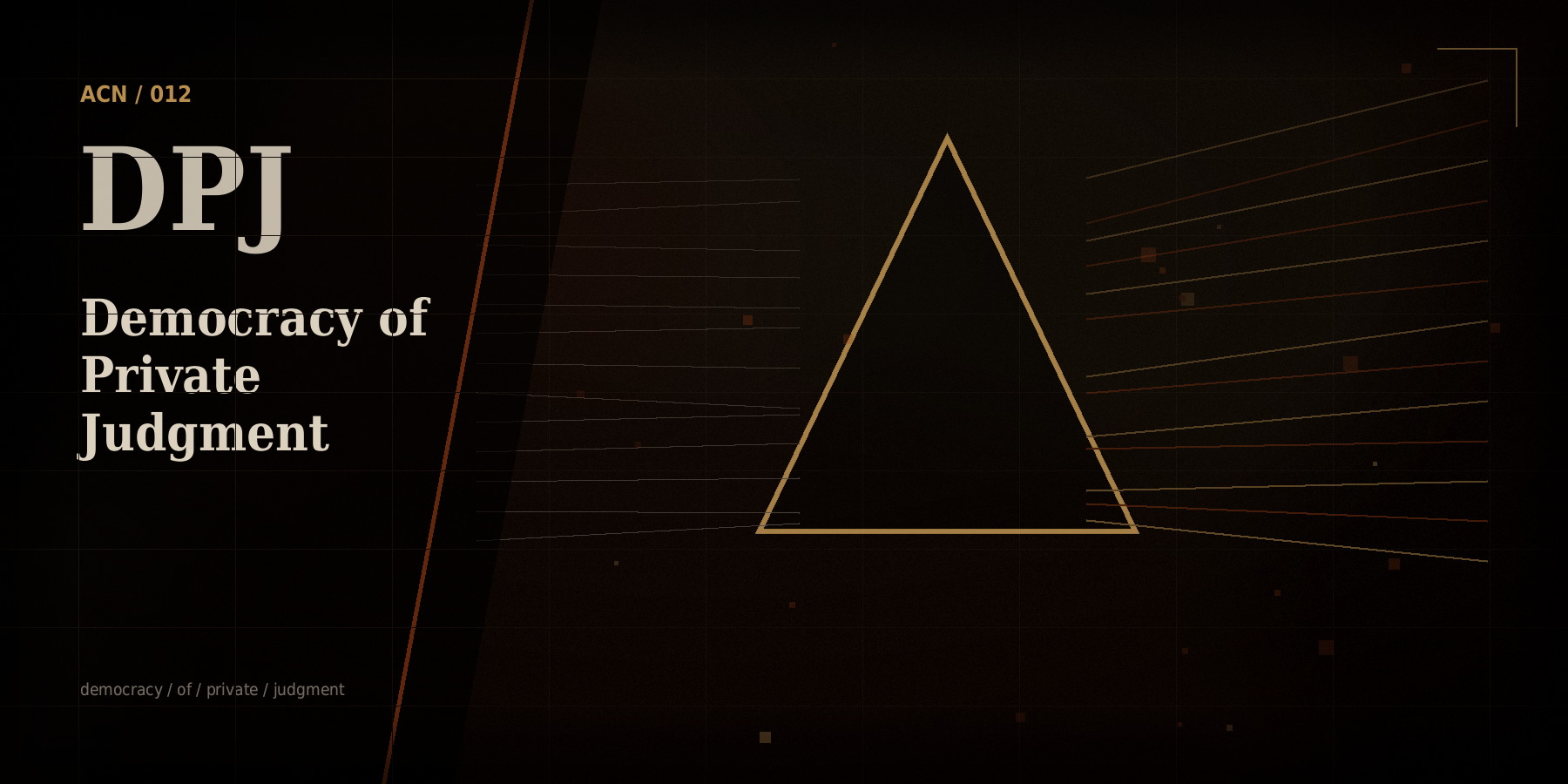
Unique editorial hero for Democracy of Private Judgment.
Democracy of Private Judgment: an original page-specific visual plate.

Democratic theory

Democracy of Private Judgment

Voting is not the beginning of democracy. Private judgment is.

Private judgment Pluralism No orthodoxy engine Dissent before vote

The pre-political sanctuary

Democracy assumes that people form judgments before they speak, organize, vote, litigate, publish, worship, or dissent. If the state or its platform partners supervise that formation stage, public choice becomes managed performance.

A ballot cast after supervised thought is not the same civic act as a ballot cast after private judgment.
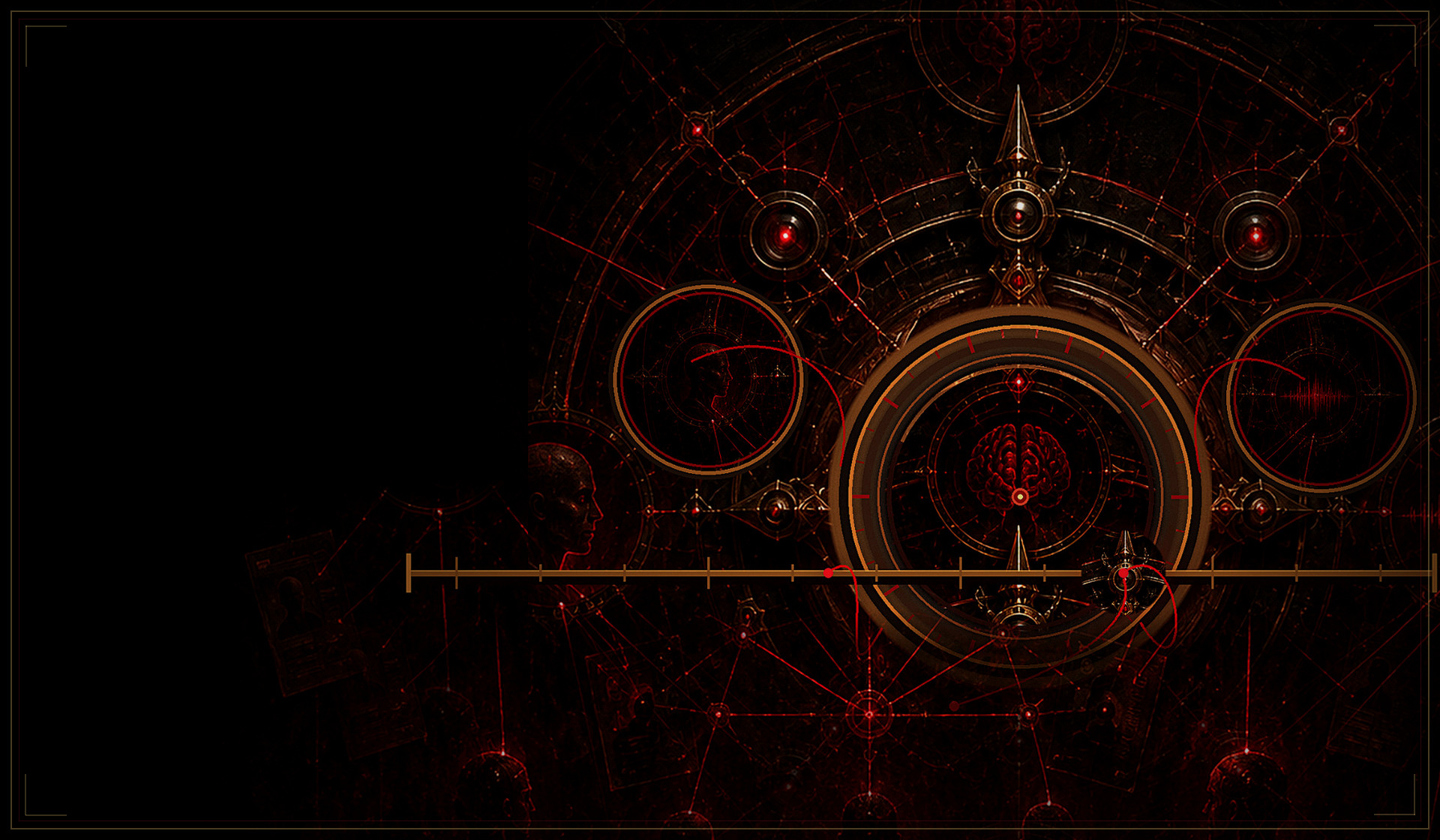
Civic network of minds, signals, review points, and a visible boundary line.
Community rules attach to conduct, not hidden beliefs or person scores.

From judgment to effective voice

A private judgment becomes democratically consequential when it reaches a public channel with standing, evidence, response, and a record. Participation cannot legitimate surveillance of the thoughts that preceded it.

Democratic systems should make it easier to register a position without exposing unrelated private cognition.

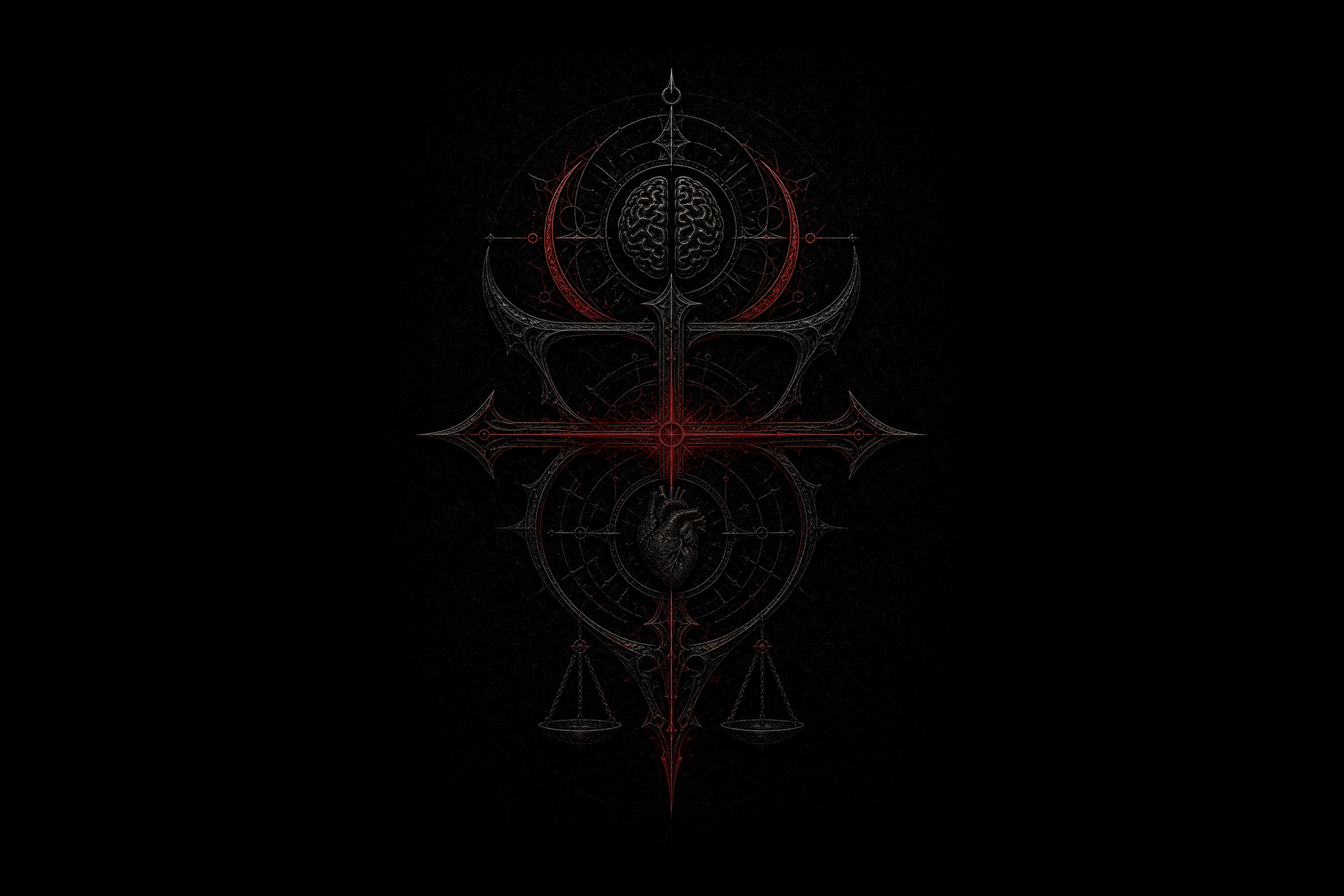
Brain, heart, scales, and red boundary axis in a dark civic emblem
The firewall governs conduct without converting imagination or belief into evidence of aggression.

Democratic damage chain

1

Topics become suspect

People stop researching disfavored subjects because inquiry itself feels risky.

2

Vocabulary narrows

Minority, religious, dissident, trauma, artistic, or technical language is avoided because it can be misread.

3

Institutions lose error correction

Journalists, lawyers, researchers, whistleblowers, and outsiders stop testing ugly facts.

4

Consensus becomes artificial

Silence is misread as agreement because the disagreement moved back into private fear.

5

Democracy becomes ritual

Public choice remains visible, but the private cognitive process that gives it legitimacy has been occupied.

Protection rule

  1. Protect the search.
  2. Protect the prompt.
  3. Protect the draft.
  4. Protect the notebook.
  5. Protect the doubt.
  6. Protect the heresy.
  7. Govern conduct.
  8. Leave judgment formation free.

The archive studies symbols. It does not appoint targets. Review the Community Baseline and Editorial Policy before submitting dangerous or symbolic material.

Community Baseline / Editorial Policy