Reportability is the hinge between censorship and surveillance. A platform can remove a topic without reporting the user. A state can punish conduct without censoring broad topics. The danger rises sharply when a topic label becomes a duty to escalate a person.
Once reportability exists, institutions build databases, review teams, heuristics, retention policies, and compliance incentives. The infrastructure outlives the original emergency and slowly expands from narrow facts to broad suspicion.
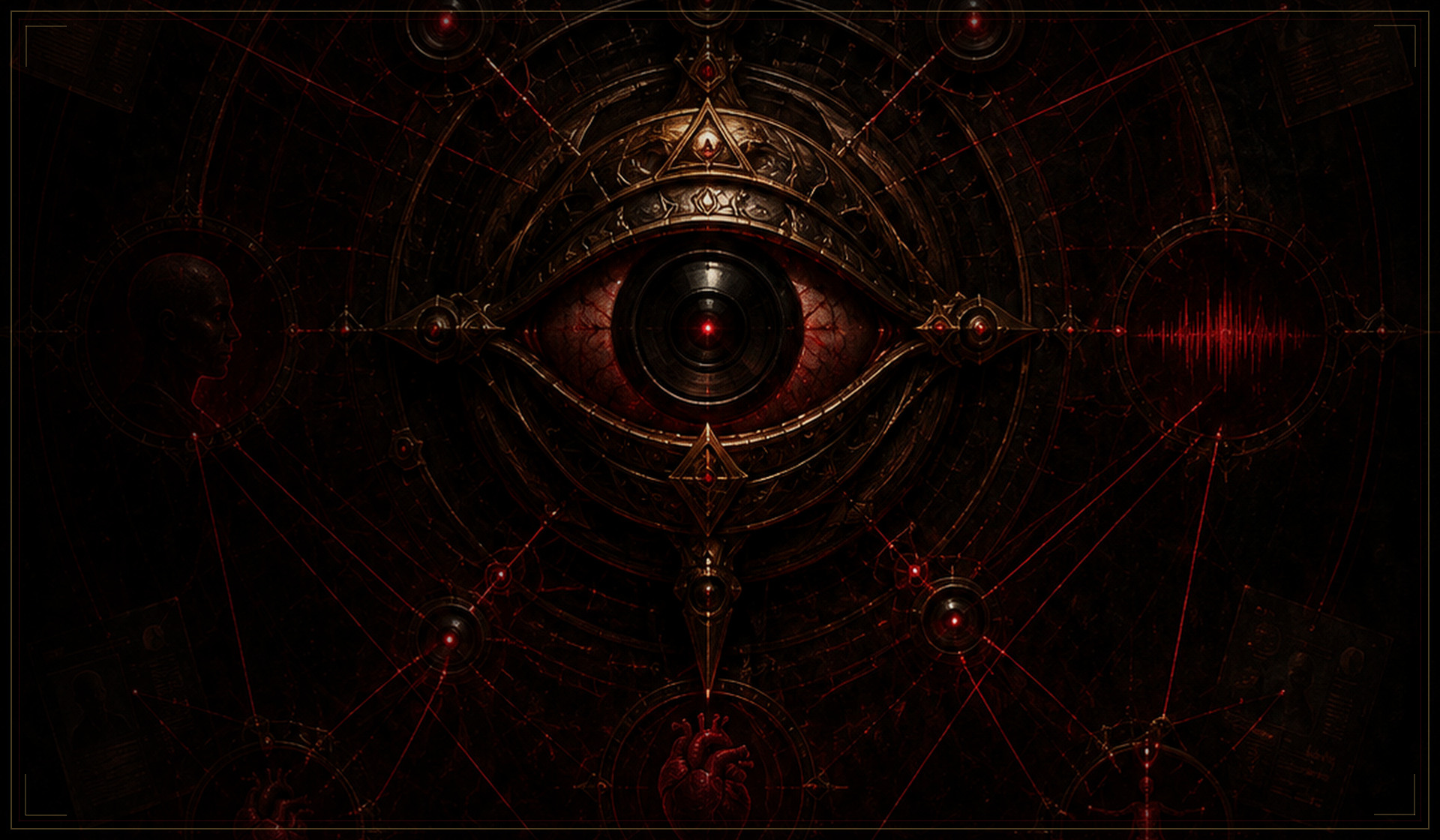
The escalator moves from sensitive topic to classifier, review queue, retention, scoring, and consequence.
Useful?
Link to this page so others can find the original source.
The danger is the merger of observation, inference, scoring, and consequence.
Seven stages of drift
Stage
Surface justification
Democratic hazard
1. Sensitive topic list
Prevent exposure to harmful material.
The category becomes a proxy for disfavored knowledge.
2. Automated detection
Scale moderation efficiently.
Context collapses into keyword or embedding similarity.
3. Mandatory review
Ensure responsible handling.
Private inquiry becomes institutional evidence.
4. Retention and context capture
Support audit and compliance.
More of the person is stored than the event requires.
5. Reporting or referral
Protect the public.
Innocent curiosity is pushed into state or platform suspicion.
6. Cross-domain reuse
Improve safety and trust.
A reading choice becomes a shadow credential across services.
7. Behavioral normalization
Reduce future risk.
Citizens conform before asking; democracy loses unapproved thought.
Why classifier-based reportability overcaptures
Classifiers are designed to compress context. That is precisely why they are dangerous around inner-life material. A classifier can notice words, associations, sentiment, symbols, or patterns. It cannot reliably know whether a person is researching, warning, parodying, defending, investigating, criticizing, remembering, or planning.
When the penalty for missing a report is high and the penalty for overreporting is low, rational institutions overreport. The harmed user is usually the least powerful actor in the chain.
Ambiguity is normal
Human inquiry is exploratory, messy, ironic, speculative, symbolic, and incomplete.
Compliance hates ambiguity
A reporting workflow prefers a yes/no flag, an owner, a case number, and a defensible audit trail.
Overcapture is predictable
The system protects itself by turning more people into records.
Community rules attach to conduct, not hidden beliefs or person scores.
The hard boundary
The key drafting rule is simple: never make a subject reportable merely because it is sensitive. Reportability, if legally required at all, must be tied to a narrow factual trigger: actual knowledge of defined unlawful material, immediate emergency danger, a valid warrant or court order, or concrete outward conduct that directly violates rights.
Everything else belongs in non-punitive support, user-controlled safety settings, transparent refusal, or ordinary editorial choice without state escalation.
A topic is not a target. A query is not a confession. A prompt is not a crime.
Machine-readable policy rule
{
  "rule_id": "acn.reportable_topics.thoughtcrime_drift_block",
  "principle": "Do not convert topic labels into user reports absent concrete conduct or a narrow statutory trigger.",
  "forbidden_policy_features": [
    "reportable_topic_without_conduct",
    "hidden_user_risk_score",
    "indefinite_prompt_retention",
    "cross_context_reuse",
    "no_notice_or_appeal"
  ],
  "allowed_boundary_features": [
    "refuse_execution_for_concrete_rights_violation",
    "preserve_source_unchanged",
    "log_boundary_event_separately",
    "review_and_export_available"
  ],
  "public_reason": "Protect inquiry. Govern conduct."
}
How broad reporting duties and liability incentives turn platforms, schools, employers, and model providers into private censors of thought-adjacent activity.
A scenario dossier on AI systems that infer, score, or penalize thought-adjacent signals, with a libertarian mitigation program for cognitive liberty.
The archive studies symbols. It does not appoint targets. Review the Community Baseline and Editorial Policy before submitting dangerous or symbolic material.