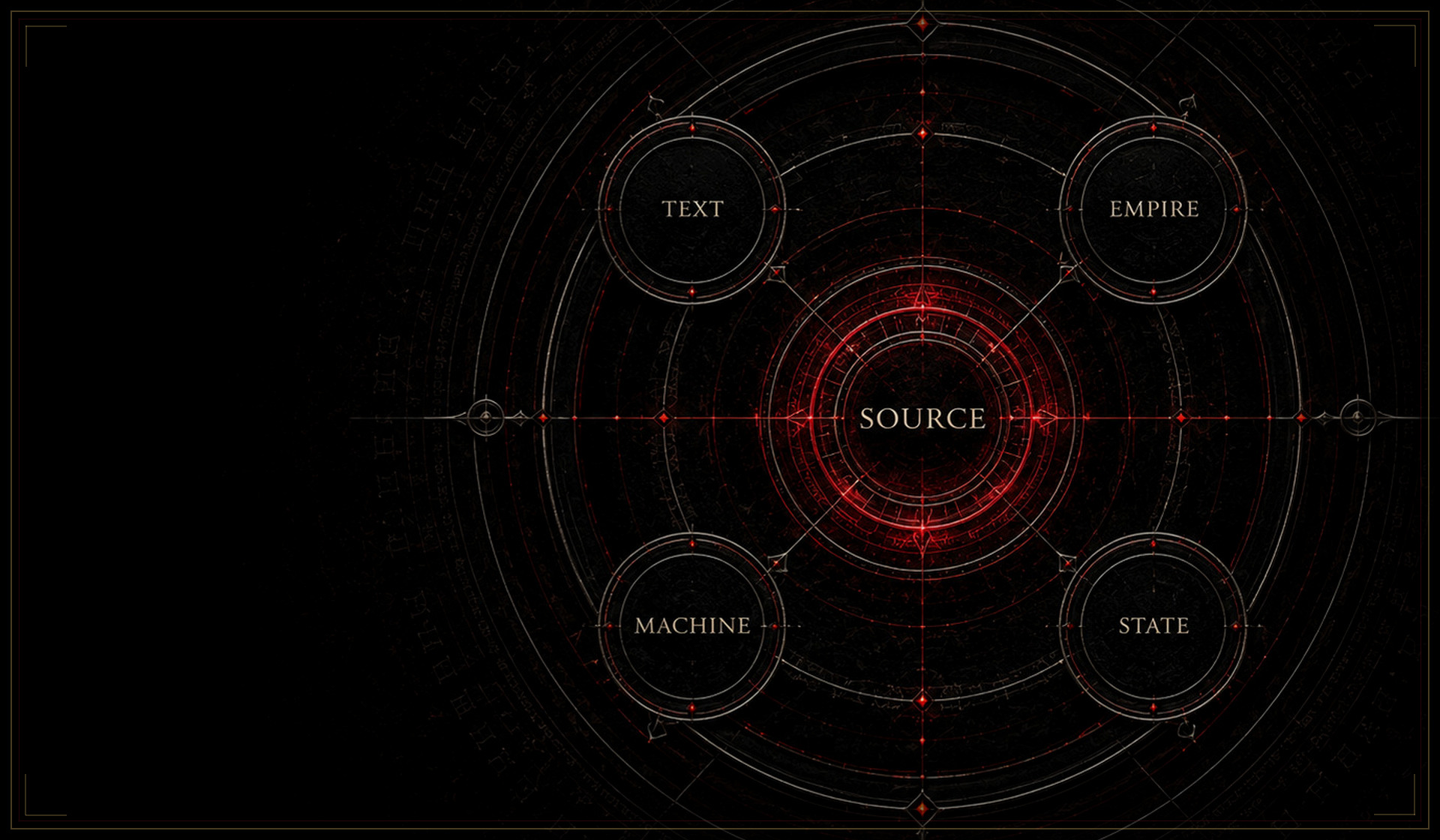
What is being judged?
The decisive distinction is the object of judgment. A rights-respecting system may classify a deployed AI use case, a public output, or a concrete act. A judgmental system classifies the user, the inner motive, the question, the topic, or the curiosity trail.
This page tracks laws and proposals that can push providers toward prompt filtering, content review, user classification, traceability, age inference, recommender intervention, or suspicious-transmission reporting. Jurisdictional claims are marked for current-source review before reliance.
Judge the use case, not the person. Govern deployment, not curiosity.
Boundary rule for publication
Antichrist.net should not treat every AI safety law as censorship. Some AI restrictions are conduct-protective: bans on social scoring, exploitative manipulation, emotion recognition in coercive environments, or consequential automated decisions without safeguards may protect the inward forum.
The critique applies when law or compliance design moves from deployed-system accountability into reportable-topic logic, unlawful-question categories, hidden user scoring, or mandatory suspicion over private inquiry.
Audit checklist
- Does the law target conduct or topic?
- Conduct-targeted rules attach to deployment, harm, fraud, surveillance, discrimination, or rights violation. Topic-targeted rules attach to words, curiosity, or symbolic domains.
- Is the user scored?
- A system that classifies the proposed use case is safer than one that assigns trust, deviance, or legality to a person.
- Is there notice and appeal?
- High-impact restriction requires reasons, export, correction, review, and a record outside the preserved source.
- Can the original survive?
- Refusals and redactions belong in variance logs; they must not silently mutate the source.