Regulation boundary

AI Regulation: Thought, Activity, and Liberty

Regulate high-impact AI activity. Do not convert private thought into a regulated object.

No thought jurisdiction Thought is not conduct Source remains source Appeal, export, exit

Two objects of regulation

AI regulation can target deployed systems that affect people: hiring rankers, credit models, education scoring, public benefits automation, biometric surveillance, social scoring, synthetic media deception, or safety-critical infrastructure. Those are outward uses of tools in the world.

A different and more dangerous object is private thought-adjacent activity: prompts, drafts, questions, reading choices, search logs, persona memory, symbolic exploration, or private research notes. Regulation that crosses into this layer becomes cognitive jurisdiction.

System accountability is not thought accountability.
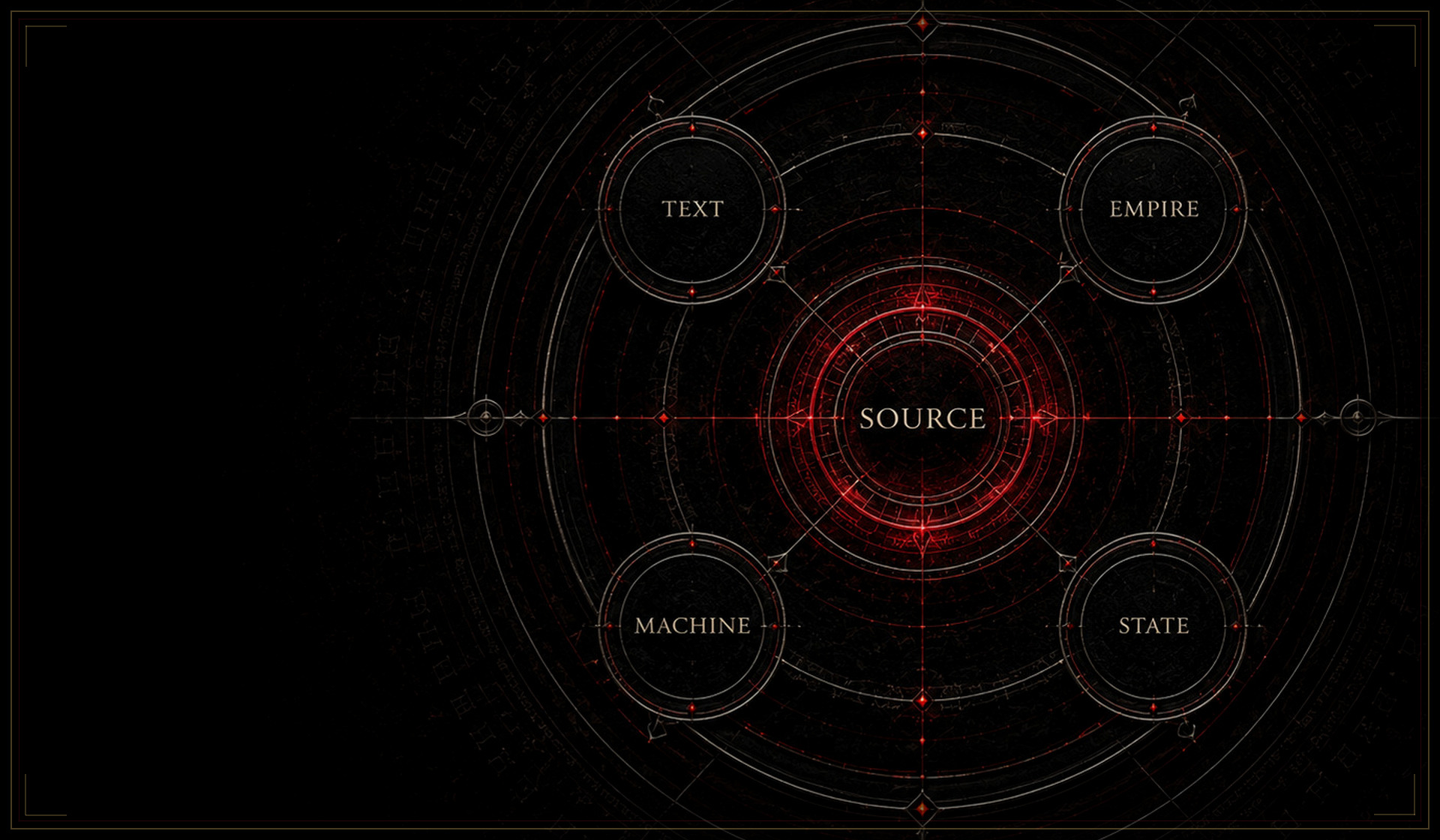
Boundary table

Legitimate regulatory objectImpermissible drift
High-impact decisions about real people.Scoring the morality or trustworthiness of the questioner.
Outputs published to others.Treating private drafts as public acts.
Biometric surveillance systems.Inferring internal belief, emotion, or intent for compliance.
Fraudulent or deceptive deployment.Punishing hypothetical discussion of fraud law or security risks.
Operational violence, intrusion, doxxing, or harassment assistance.Suppressing the whole topic, ideology, religion, or symbol.

Regulatory humility

A democratic AI law should identify the actor, the deployment context, the affected persons, the decision impact, the data types, the required notices, the appeal path, and the remedy. It should not demand a general registry of private questions.

The Judgment Machine pages therefore keep a narrow product doctrine: classify the proposed AI use case under named legal frameworks; never score the user.

The archive studies symbols. It does not appoint targets. Review the Community Baseline and Editorial Policy before submitting dangerous or symbolic material.

Community Baseline / Editorial Policy