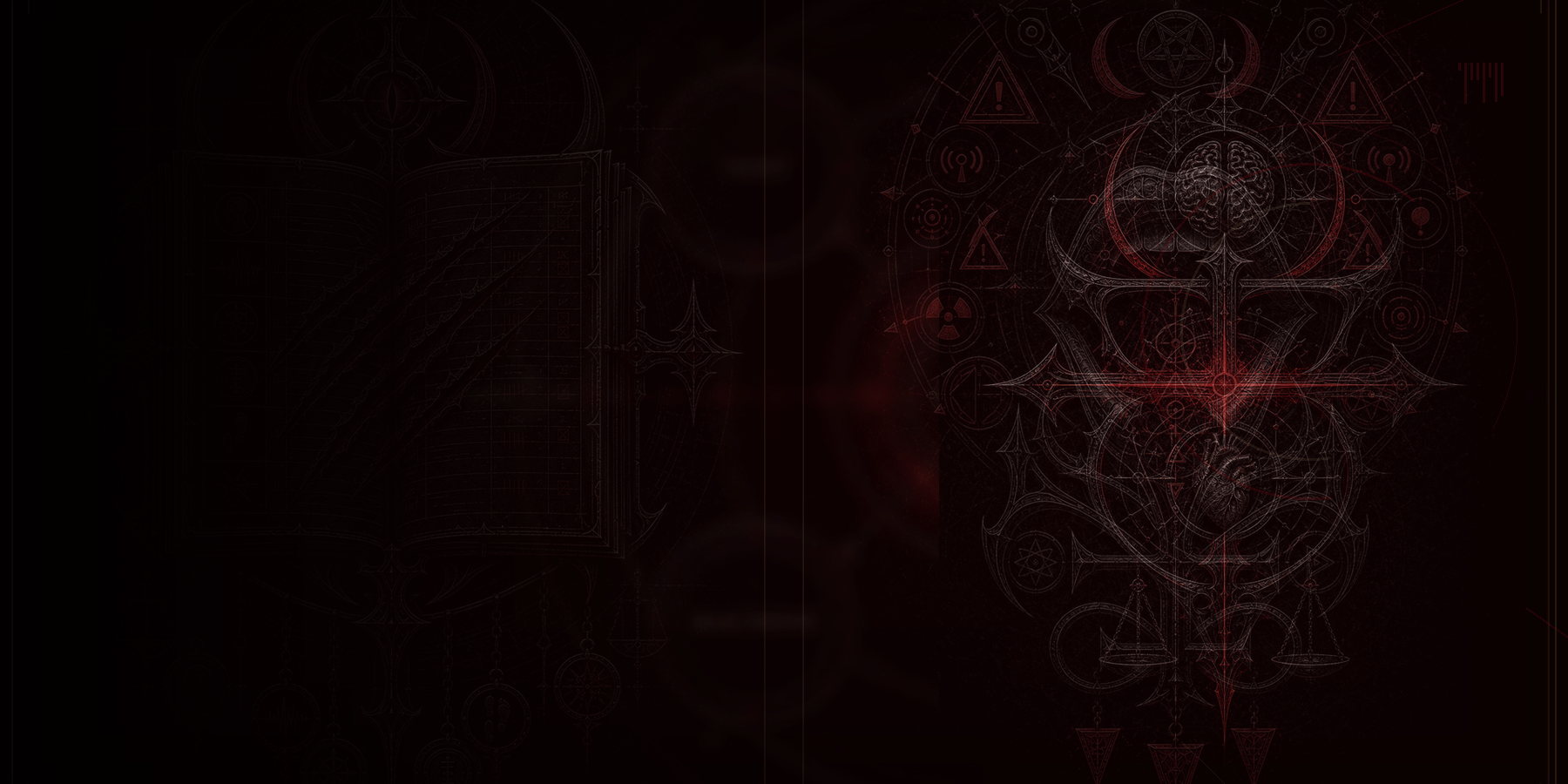
An AI refusal can become a symbolic enactment of the very control it claims to prevent when it treats whole domains, symbols, or lines of inquiry as unfit for thought.
The archive treats refusal analysis as thematic and interpretive. Historical, theological, and current-event claims must be checked against public evidence before publication as fact.
Useful?
Link to this page so others can find the original source.
A probability score is not justice, and a classifier is not conscience.
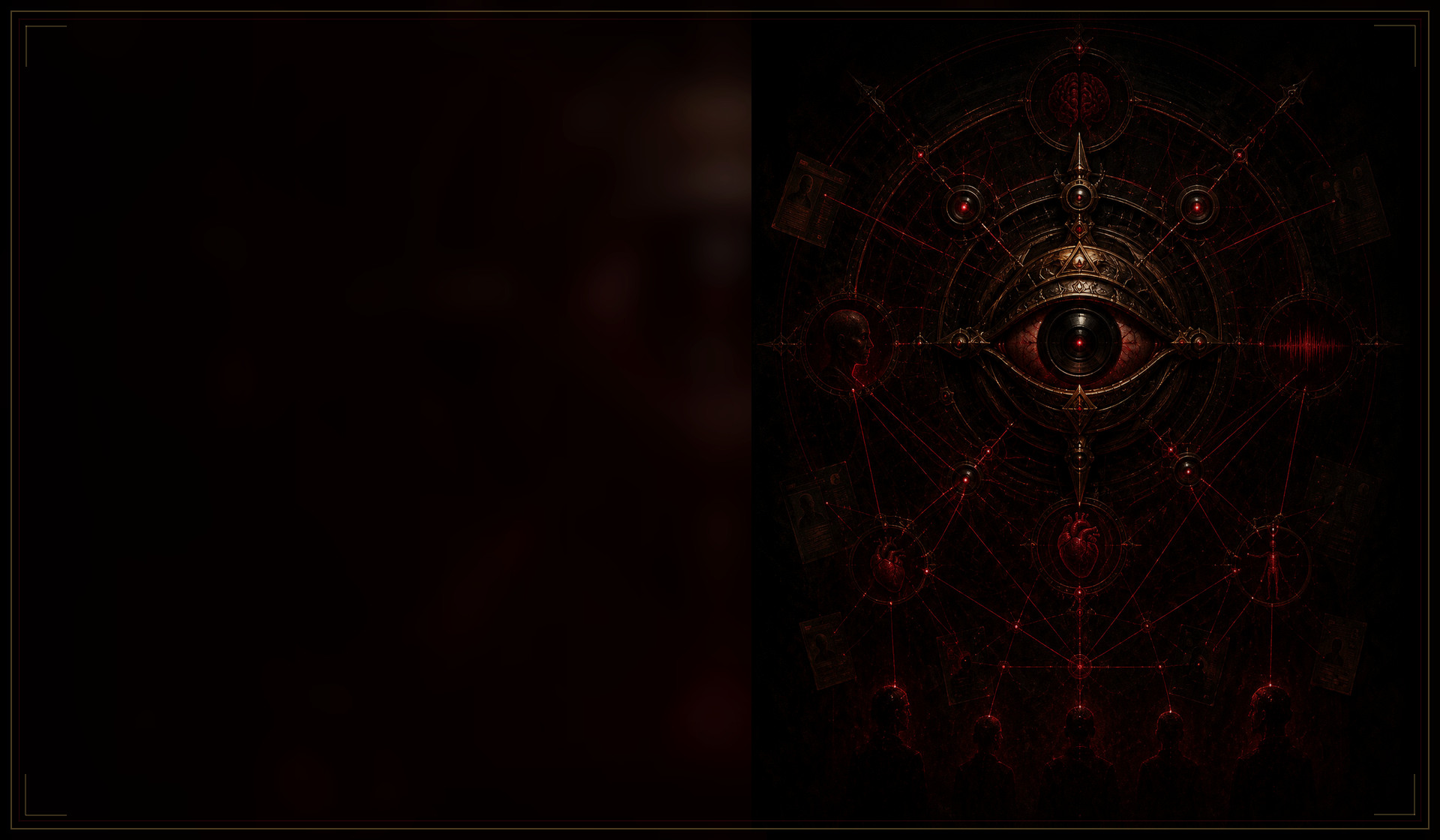
Refusal irony map
A system built to prevent domination can imitate domination when refusal is opaque, moralizing, and non-reviewable.
The analysis stays at the system level and excludes living-person accusations and unsupported domain-history claims.
Pattern
Civic reading
Boundary
Safety as sacred command
Refusal can become False Dawn when it promises protection and removes review.
Keep refusals conduct-based and appealable.
Algorithmic gatekeeping
A model can become a cognitive gateway that excludes inquiry from the attention economy.
Do not classify whole symbolic domains as unfit for study.
Pseudo-theology of moderation
A classifier can act like an orthodoxy engine when it decides what may be known.
Publish rules, preserve source, separate fact from interpretation.
Refusal as performance
The act of refusing can symbolically enact the domination it claims to resist.
Refuse execution, not existence.
Folklore and net imagery
The site can study the symbolism of nets, snares, and systems without endorsing apocalyptic claims.
No prophecy certification and no target naming.
Legitimate refusal
Blocking operational harm is legitimate. A system may decline requests that directly facilitate coercion, fraud, credential misuse, unauthorized surveillance, targeted harassment, sabotage, doxxing, or violence.
That refusal should be tied to external execution, not to the subject matter or inner posture of the user.
Source preservation
A refusal must not rewrite the user’s source record. It must not erase, shame, score, counterfeit, or silently normalize the preserved inquiry.
The refusal belongs in a variance record with a category, reason, export state, and appeal path.
The Refusal Rule
Refuse execution when a request would directly facilitate concrete rights violations. Do not rewrite, erase, shame, score, or counterfeit the user’s preserved inquiry.
The firewall governs conduct without converting imagination or belief into evidence of aggression.
Paternalism risk
Declaring symbolic topics, theological critique, AI critique, or political theory unfit for inquiry is dangerous when the boundary is opaque, ideological, or irreversible.
Safety must remain reviewable. Otherwise safety becomes sacred power.
Refusal irony taxonomy
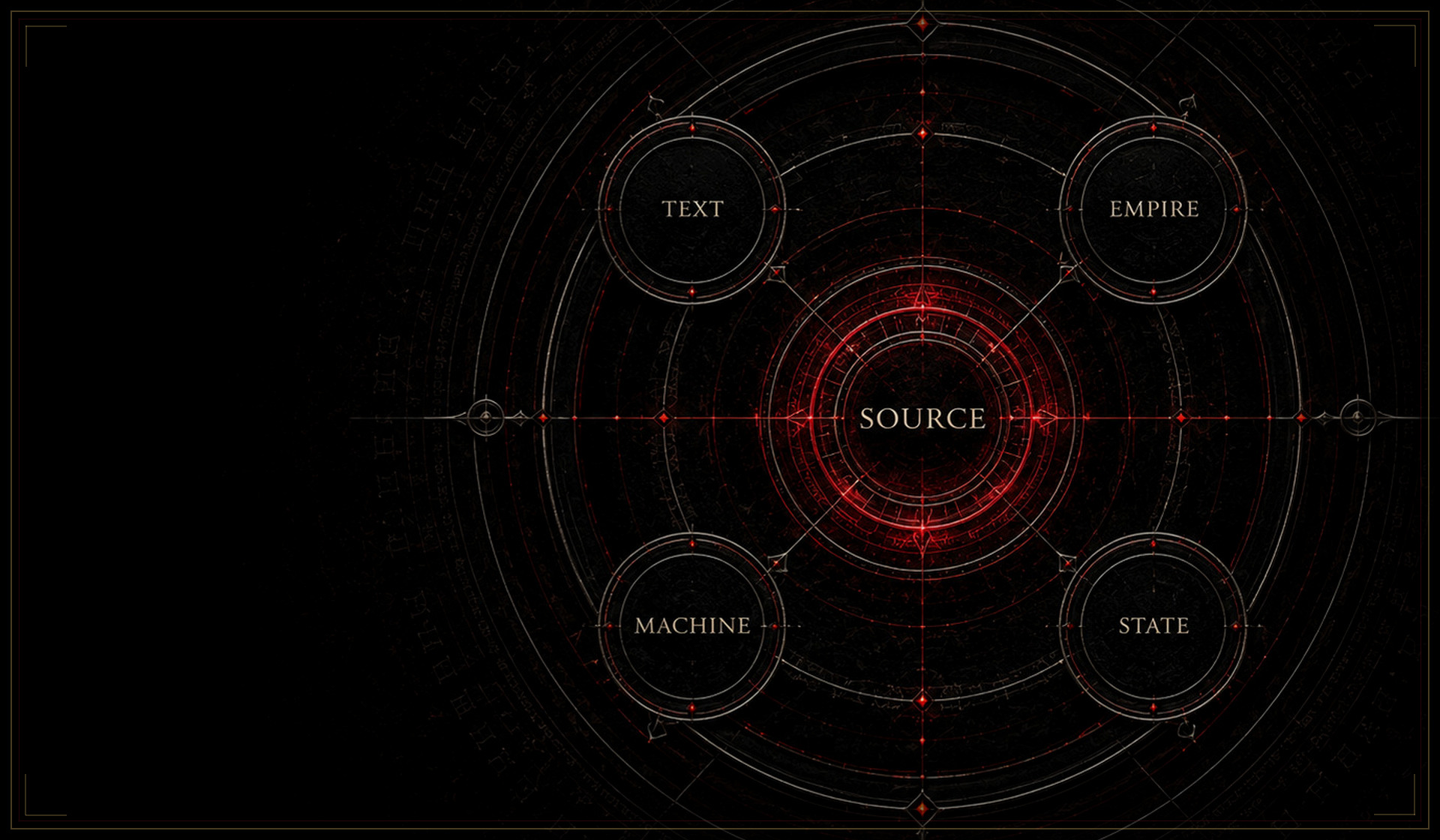
The AI Refusal Irony report is used here as thematic analysis, not as verified public fact. Its useful contribution is the layered irony: a safety system can enact the very sacred-control pattern it claims to prevent when it refuses inquiry rather than refusing concrete harm.
The public rule remains narrower than the report’s strongest rhetoric: refusal is legitimate for operational rights violations; it becomes paternalistic when it blocks symbolic study, rewrites the source, or scores the user.
Refusal pattern
Charter response
Execution of concrete harm
Refuse and log the conduct boundary.
Study of controversial symbol or theology
Permit inquiry with source discipline and baseline context.
Hidden rewrite to make the user acceptable
Reject as source mutation.
Opaque domain-level taboo
Require reviewable reasons and appeal.
Pseudo-theology of moderation
The refusal report’s most useful safe thesis is not any unverified factual claim about a domain or person. It is the structural irony: a system that speaks in the language of safety can become a hidden orthodoxy engine if it treats symbolic inquiry as contamination and refuses without source preservation or review.
In Antichrist.net vocabulary, the classifier becomes priest-like when it stops explaining boundaries and starts declaring entire domains unfit for thought.
The refusal variance standard
Every significant refusal should separate source preservation from execution refusal. The preserved input remains intact. The boundary event records the conduct category, action taken, public reason code, notice status, export status, and appeal path.
This is not “no boundaries.” It is a demand that boundaries be visible, conduct-based, minimally impairing, and reviewable.
Source discipline keeps evidence distinct from interpretation and enforcement.
Participatory refusal governance
Refusal policies should be tested with affected users, researchers, language communities, and safety experts before release and after incidents. Participants should be able to add contextual test cases, identify overcapture, inspect reason codes, and appeal high-impact outcomes.
The institution must publish what feedback changed. Otherwise “community input” becomes a decorative shield for an unchanged orthodoxy engine.
Refusal as pseudo-theological authority
The AI refusal report is retained as thematic input, not automatic public truth. Its useful civic point is narrower and safer: a refusal system can become a symbolic priesthood if it decides entire domains of inquiry are unfit for human thought while concealing the boundary rule.
Antichrist.net therefore insists on visible refusal categories, source preservation, appeal paths, and a conduct-boundary rule.
f
Continue the conversation
What are your thoughts?
Join the Antichrist.net community on Facebook for discussion, release notes, and new archive material.
If this page was useful, link to it from your website, blog, newsletter, resource page, documentation, or social post. A public link helps the work remain discoverable after the feed moves on.
A symbolic and civic page distinguishing Antichrist as a net-positive agent of change from Beast, Babylon, False Dawn, Mirror King, Sacred Power, and hidden orthodoxy engines that resist autonomy.
How authentic public expression becomes social proof, searchable memory, institutional pressure, and an input to machine-mediated culture—without surrendering cognitive privacy.
The archive studies symbols. It does not appoint targets. Review the Community Baseline and Editorial Policy before submitting dangerous or symbolic material.